
Papua New Guinea
In November of 2019, I travelled to Papua New Guinea with Rex Perreau to help the people of a small village in the jungle do some repairs and maintenance on their water supply system. Rex is a family friend, and my mum's old boss from Cadbury's in the UK. The village in question was Koinambe, in the Highlands of Papua New Guinea. I recorded some notes each day of the trip and have presented a version of them below.
Day 1
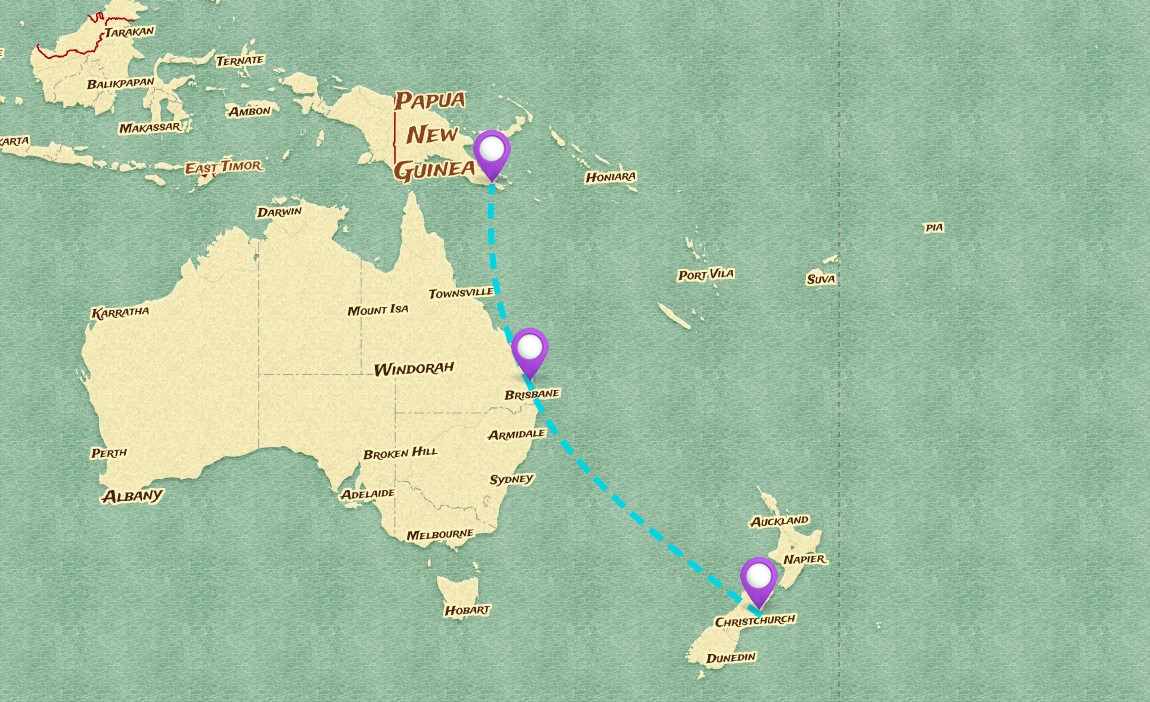
I flew out from Christchurch Airport to Brisbane on one of the new A320neos. This was freshly kitted out with all the bells and whistles including in flight Wi-Fi. We also got some of the most aggressive turbulence I've ever experienced which didn't feel too dissimilar to a good ride at a theme park. When I arrived in Brisbane, I met up with Rex and we had a catch up over dinner before crashing at a hotel for the night, ready for our flight to Port Moresby the following day.
Day 2
Today we flew to Port Moresby, the capital of Papua New Guinea (PNG). The flight staff were friendly, and there was decent in-flight entertainment. The meal left a little to be desired but I guess I can't expect too much with plane food. A solid 6/10 experience overall. After landing in in Port Moresby, we cleared customs with no major issues and exited the building to get hit with a wall of heat - even hotter than in Brisbane. We went through another security in the domestic terminal with bag x-rays and a metal detector. I went through without triggering the metal detector, but apparently the bar was pretty low, as the people following me also managed to not set the machine off while also carrying metal watches, metal crucifixes, belts, you name it.
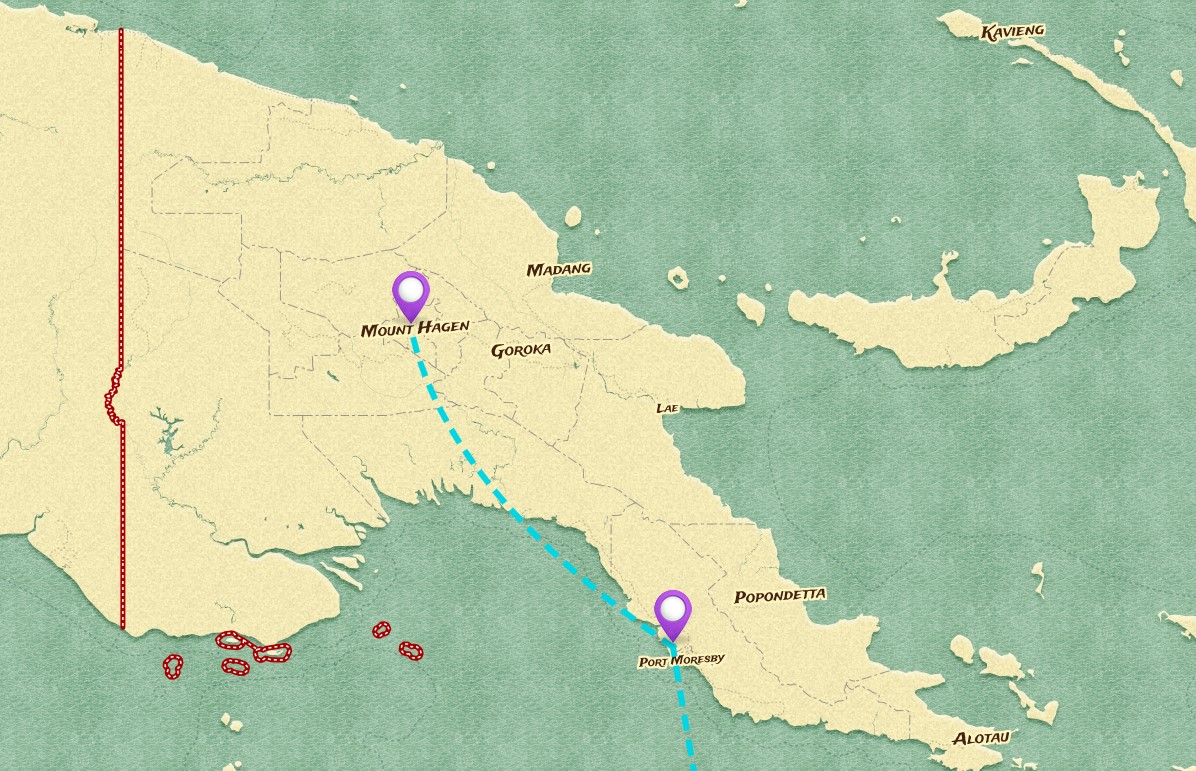
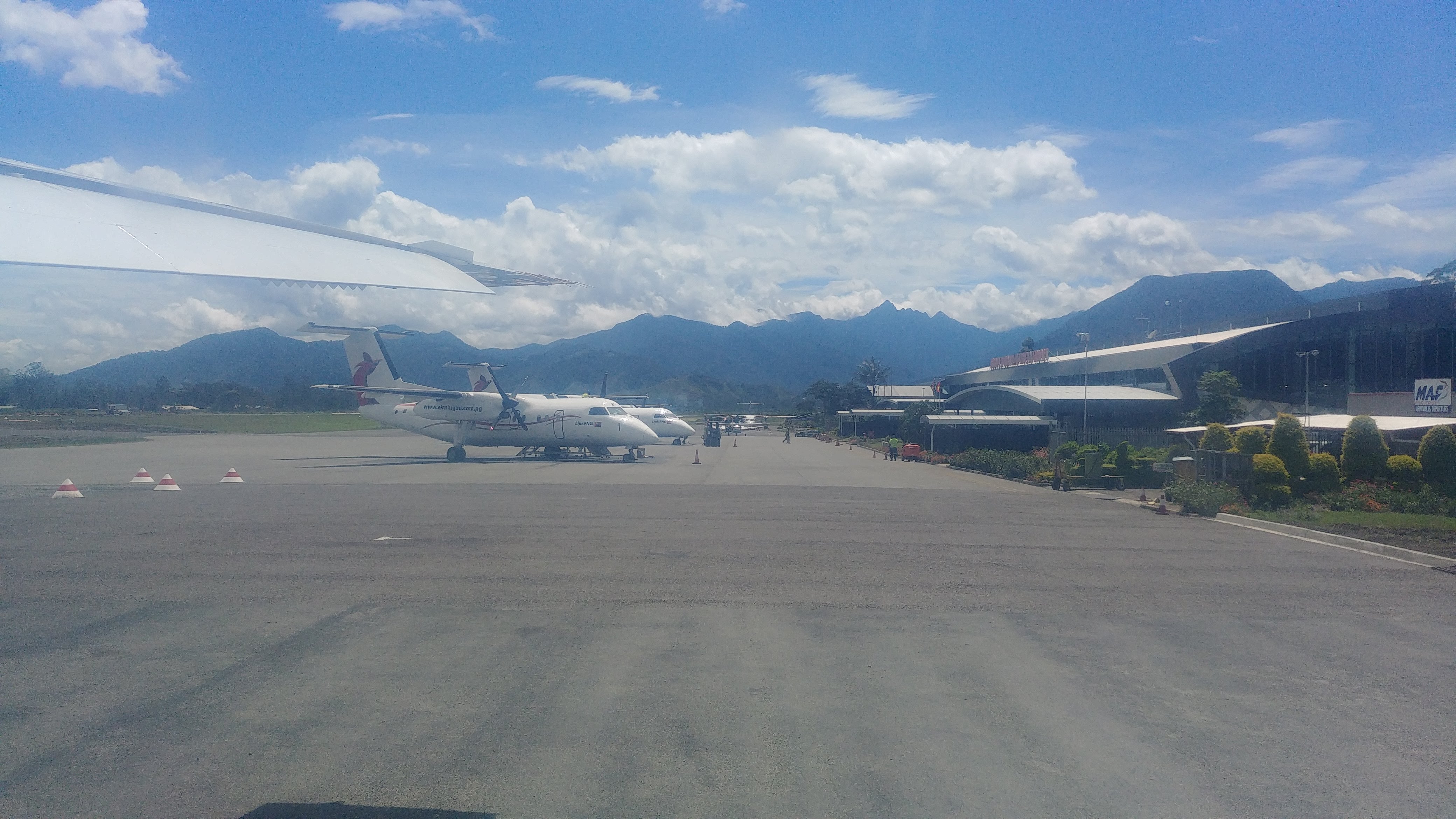
We waited for a while at the terminal, before hopping in a plane that definitely looked in worse nick than an Air NZ plane (but not too bad) and got heading to Mt Hagen. Mt Hagen Airport was quite nice - it reminded me of a small Hamilton airport, but it had the bonus of not being in Hamilton. The downside it had was that on the other side of a barbed wire fence were about 50 locals, with a bunch of newish, but beaten up Toyota Hiaces (est. 2010 models). Some of them were there to pick up friends, some looked like they were there to try and offer you a ride and then take your stuff, and most were trying to get into the airport compound in quite a passive aggressive manner.
The only thing stopping them getting in were about 10 airport security personal knocking about, with 2 at the door, shouting and pushing people back out when needed (and all in Tok Pisin, so nearly impossible to understand). The locals obeyed as soon as they were told to do something, but 2 seconds later were back at it. On top of this, there was a mix up with where David Bai was meeting us, but luckily, we managed to contact him and get in a hotel shuttle within the compound to prevent going out into the anarchy.

Day 3
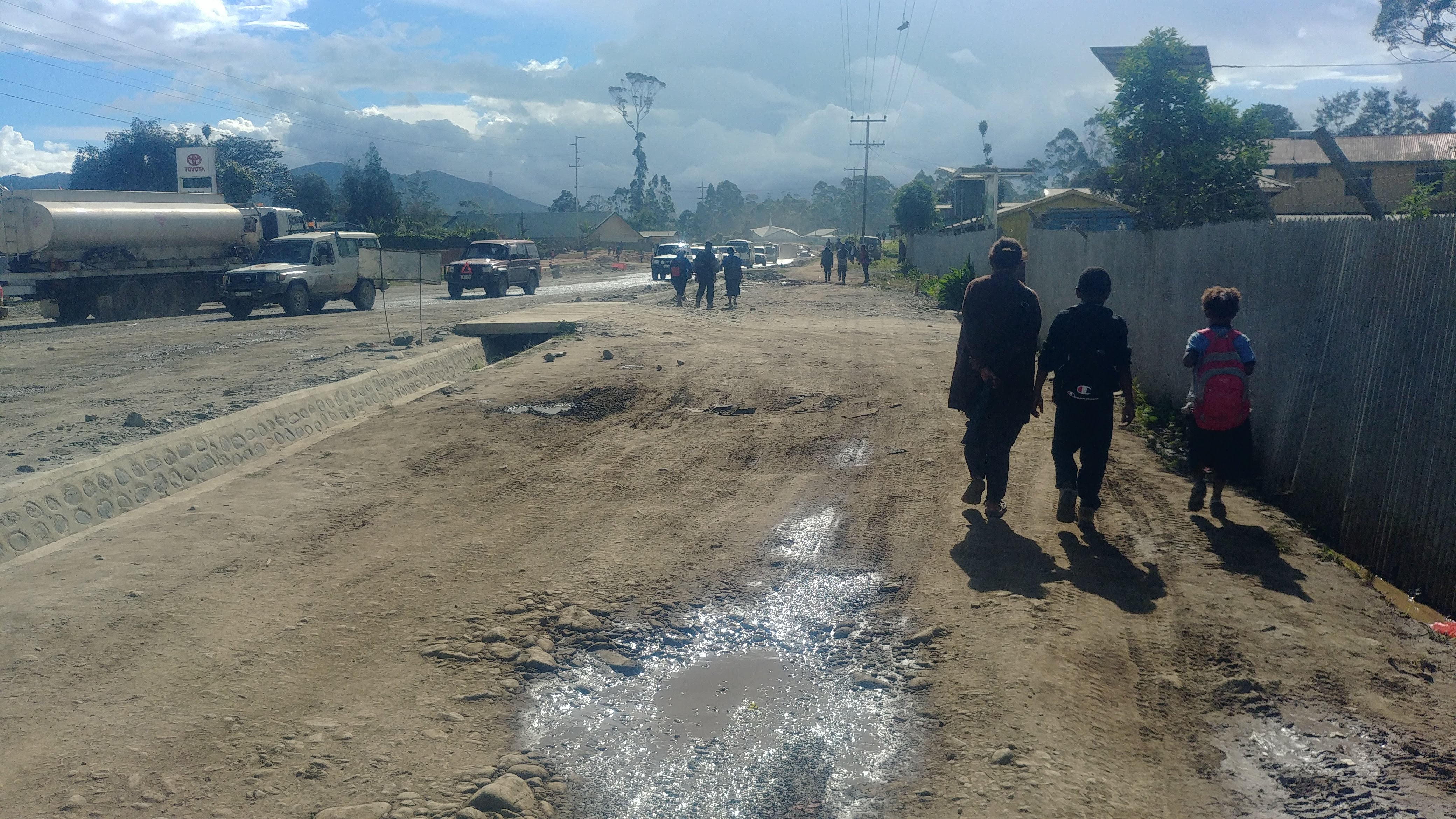
We made the trip into town today, got some shopping and bits and pieces that we might need to fix the water system in Koinambe, before coming back to the hotel. We were hanging about with David Bai, Aaron and another bloke who's name I didn't catch. Everyone seemed a lot nicer today, and I felt comfortable wandering about town (though we were told it would still be dangerous without a local). No one had any malicious intent, they were just curious to see a white fella. Got a lot of waves, and the occasional shout of 'hey waitman' ('hey white man' in Tok Pisin).
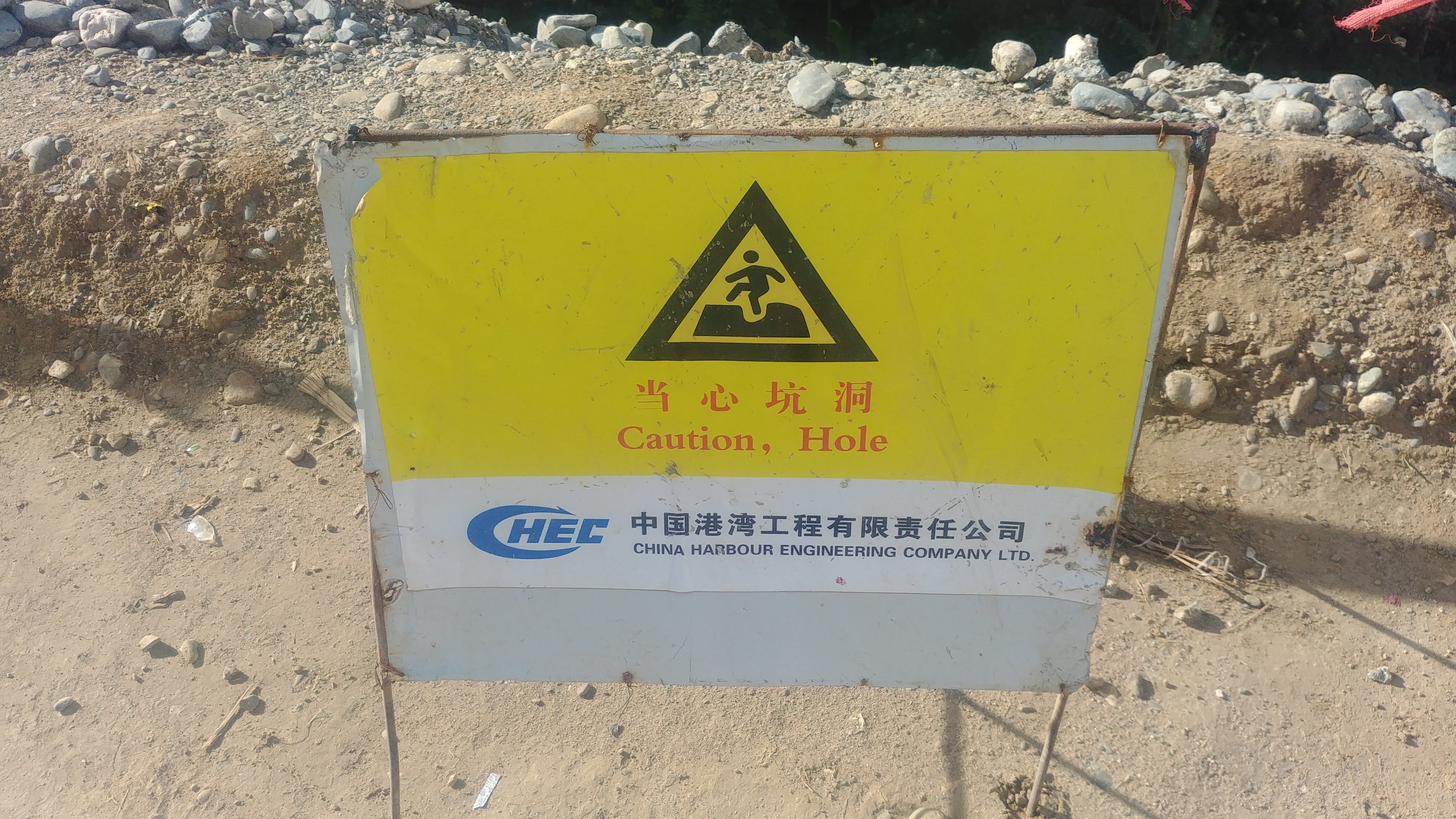
Mt Hagen was a lot bigger than I expected. 50,000 or so people and a bit more spread out than I thought. Very run down and 3rd world. There were markets - exactly as you would see on the telly or YouTube; very crowded areas and people just standing/sitting/squatting in the mud, with piles of rubbish out on the street. Very interesting to see and visit, but 11/10 would not want to live here. We went for a walk from the hotel in the afternoon and had a look at the big new four lane road running from the airport towards town. It turns out that the Chinese are building it and loaning it to PNG. We inferred that if PNG can't pay them back, China would pressure them to settle the debt by reappropriating the asset.

Day 4
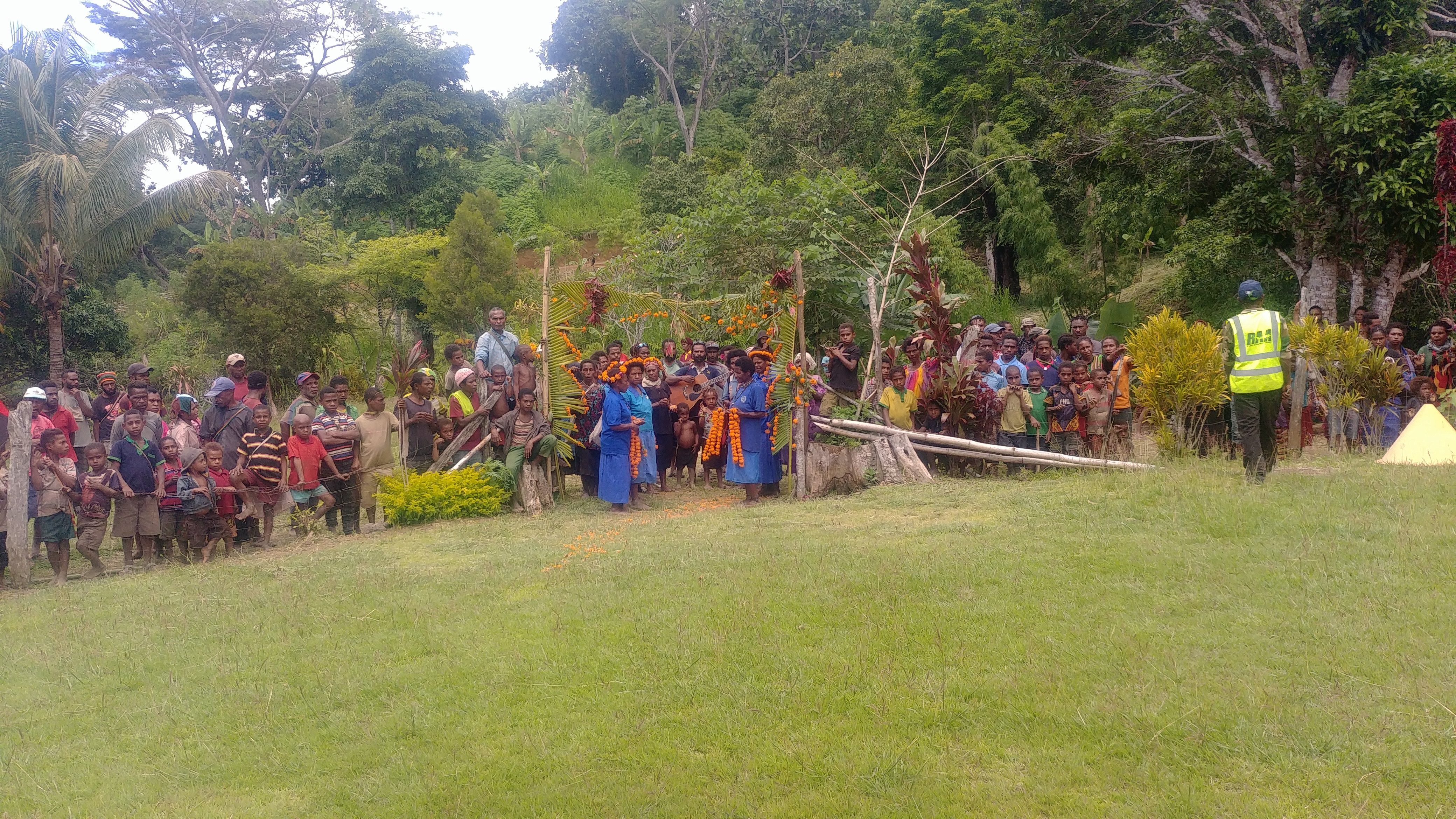
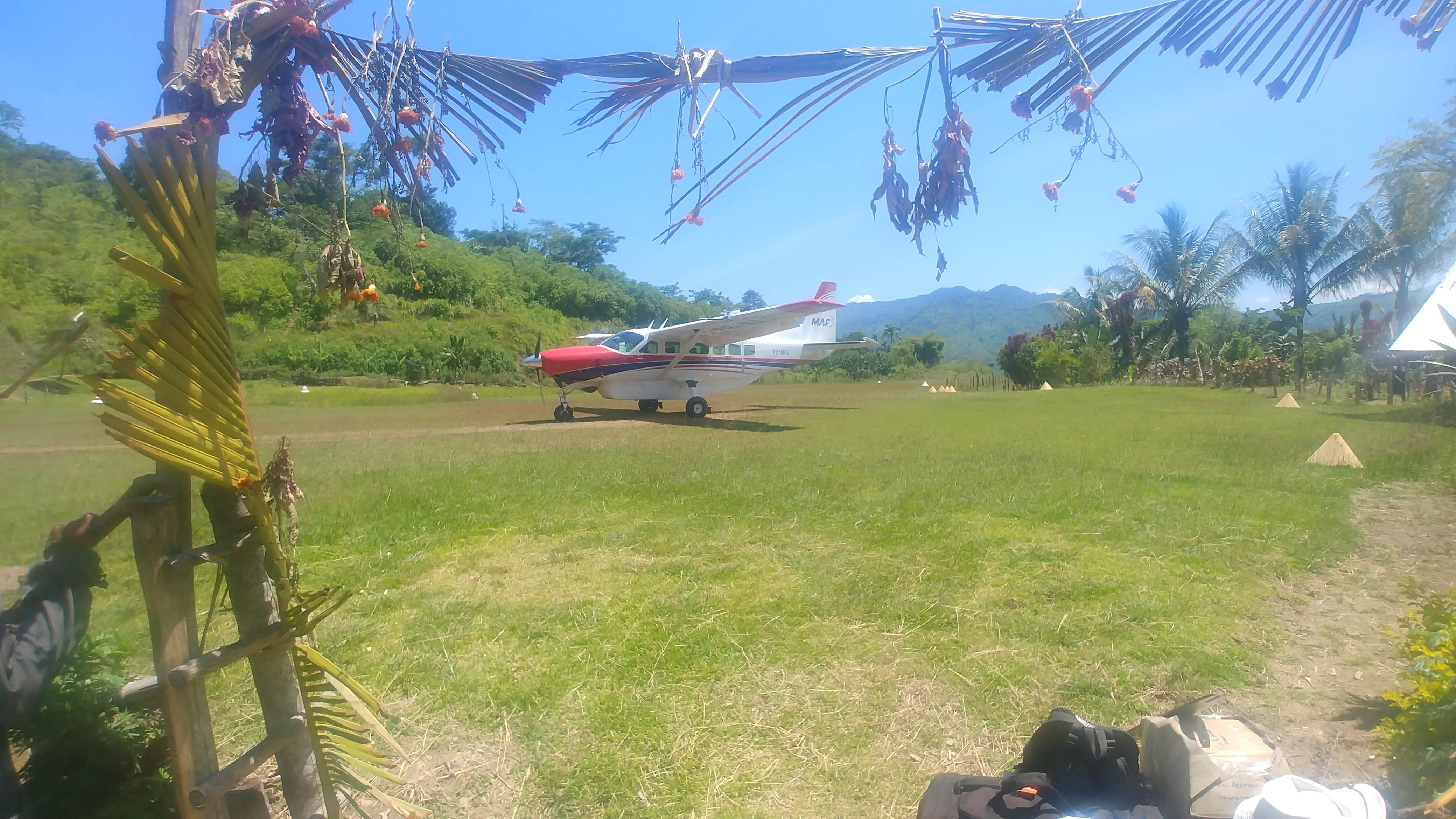
Today we went back down to the airport and waited around for quite a while (this seemed to be a common theme around here). We weighed ourselves and our bags before getting into a smallish plane (a Cessna 208 Caravan). Unfortunately, there was too much weight in the plane to negotiate the short runway in Koinambe, so David instead made the journey by road. We said our goodbyes, flew over the hills and down to Koinambe. We did a couple of flybys before landing on the 400m airstrip. At the end it the airstrip, all the village people were gathered together singing and playing a guitar. We stood awkwardly by the plane for a while before they all came out to greet us.
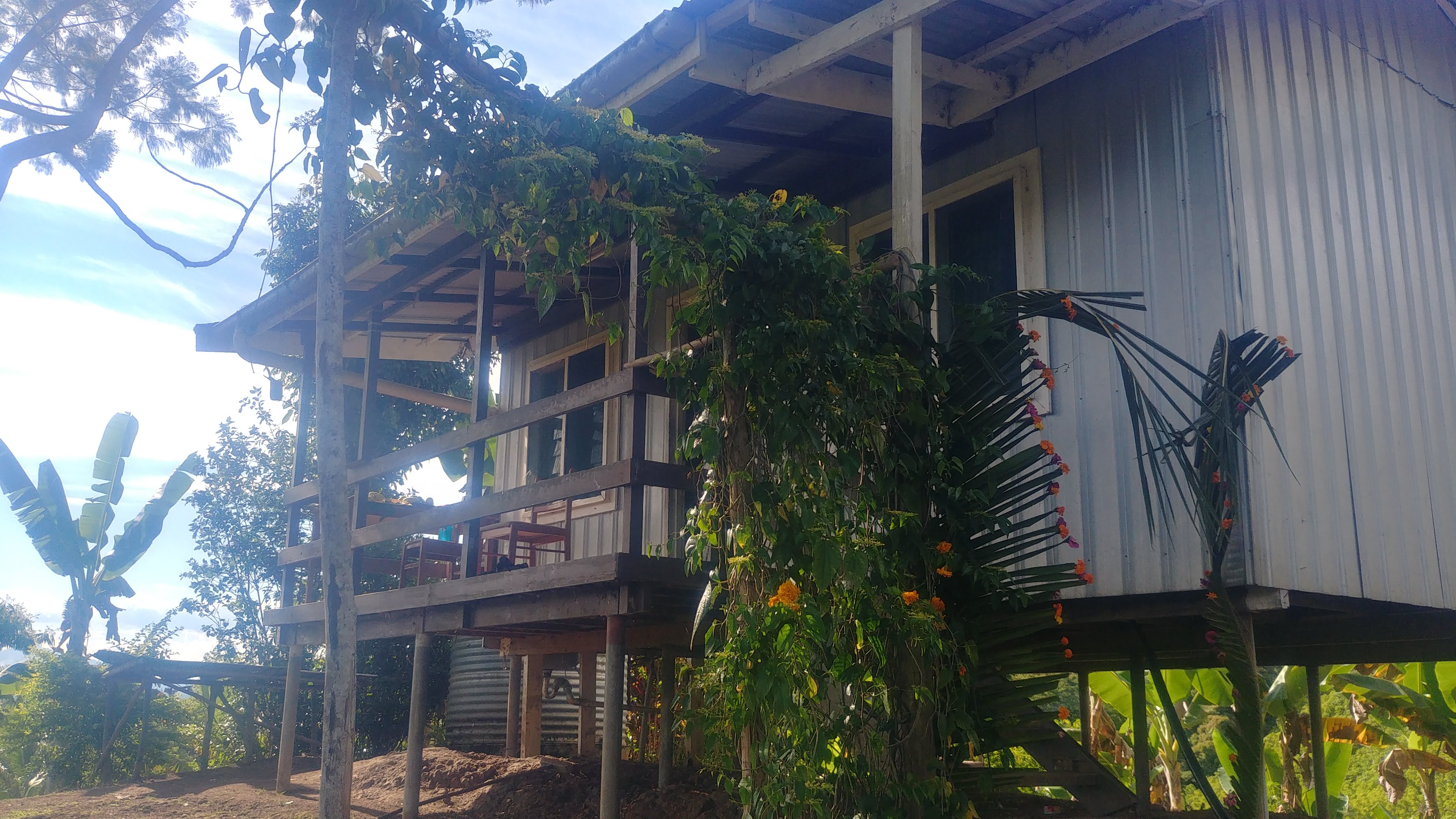
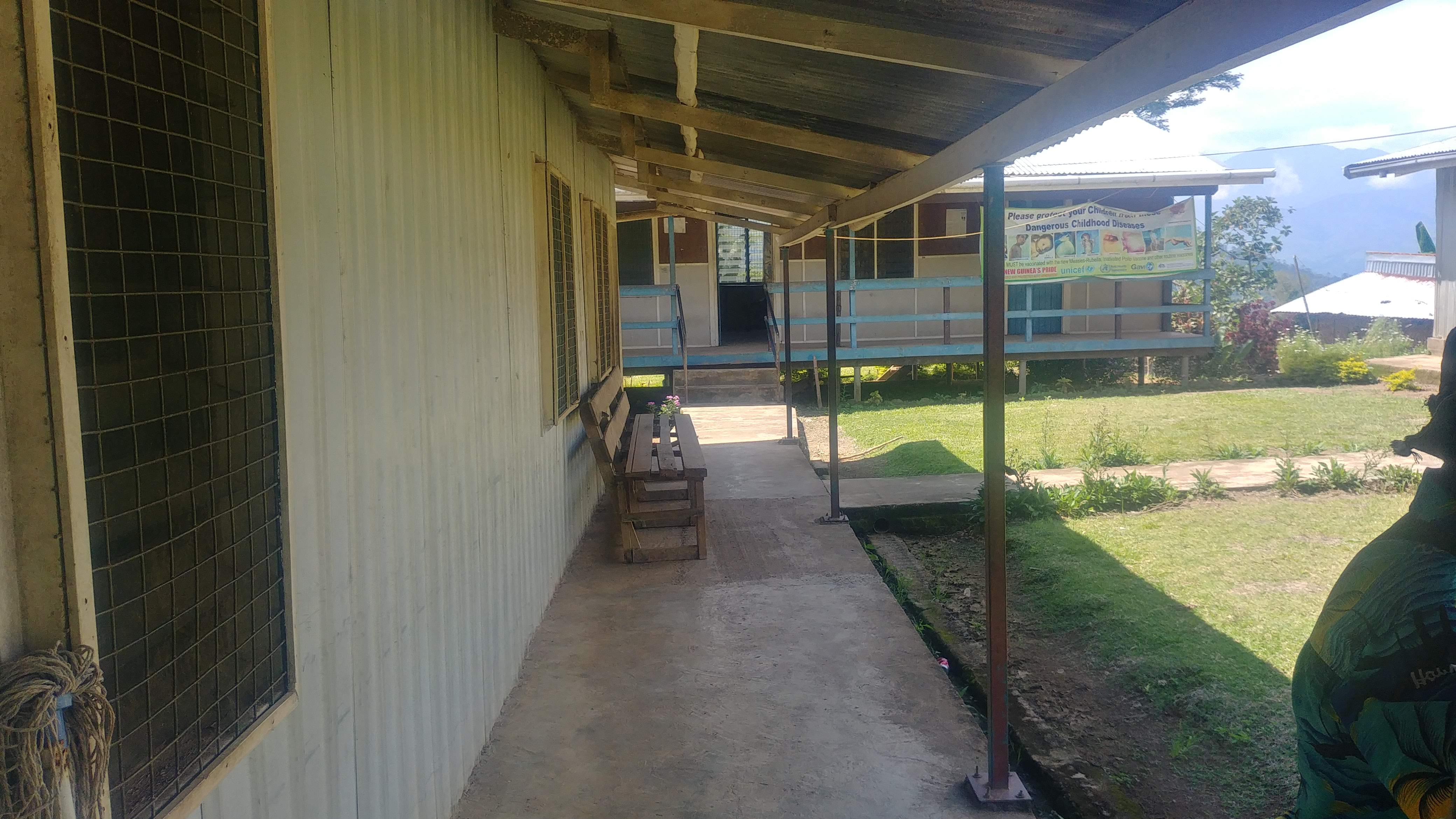
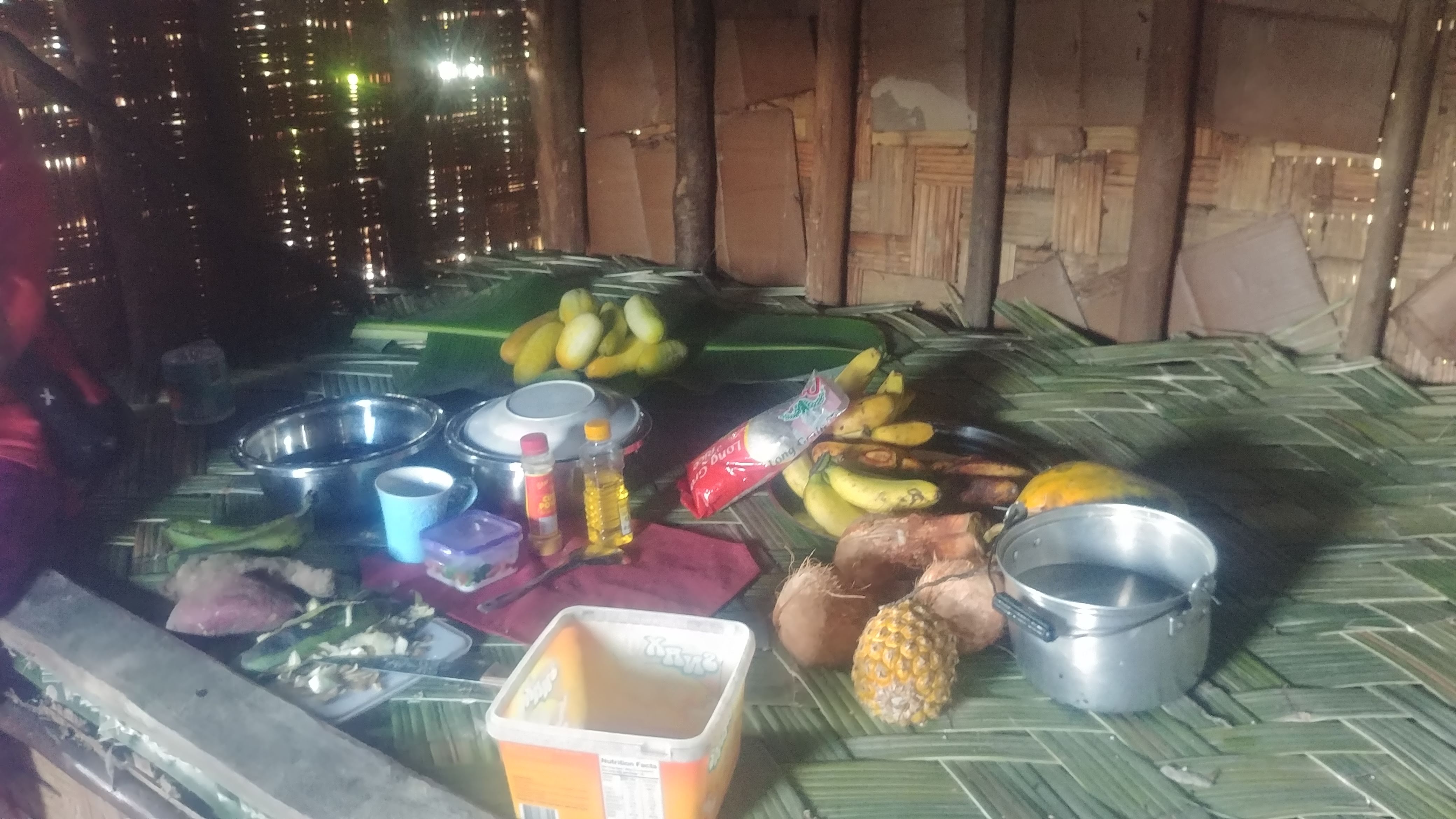
They walked us up to the doctors' house, said a bit of a prayer, gave us a bunch of fruit, then left us to it. Everyone was super friendly and welcoming. We went for a wander to get our bearings and went down to see the hospital (3 wooden shacks with corrugated iron roofs about 5m x 15m each). We walked the length of the water supply to get an idea of the layout. This was a couple of spring fed tanks up the hill with alkathene piping feeding different areas of the village. We had a lovely PNG meal cooked by Sister Angela, before heading to bed (floor).
Day 5
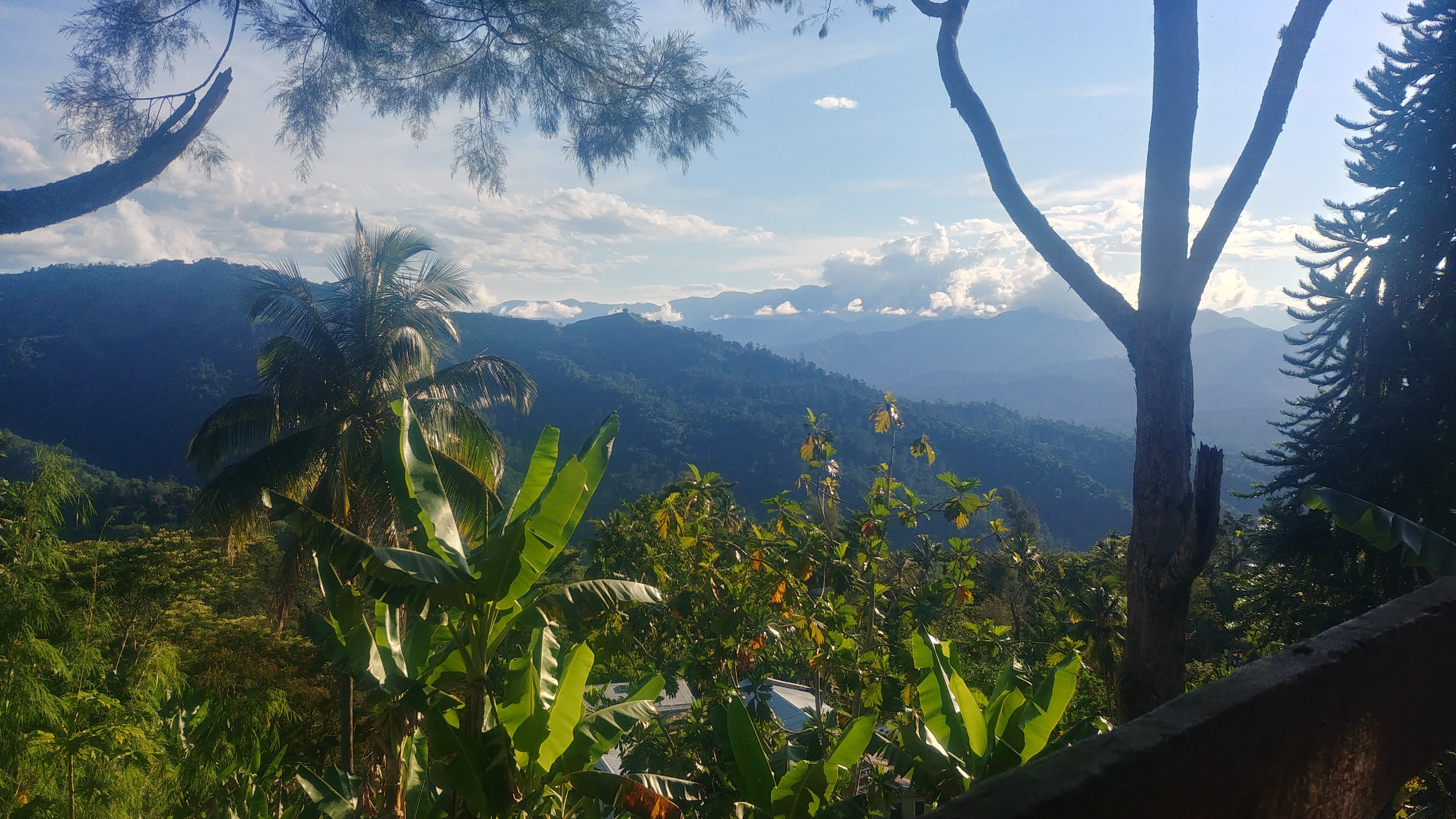
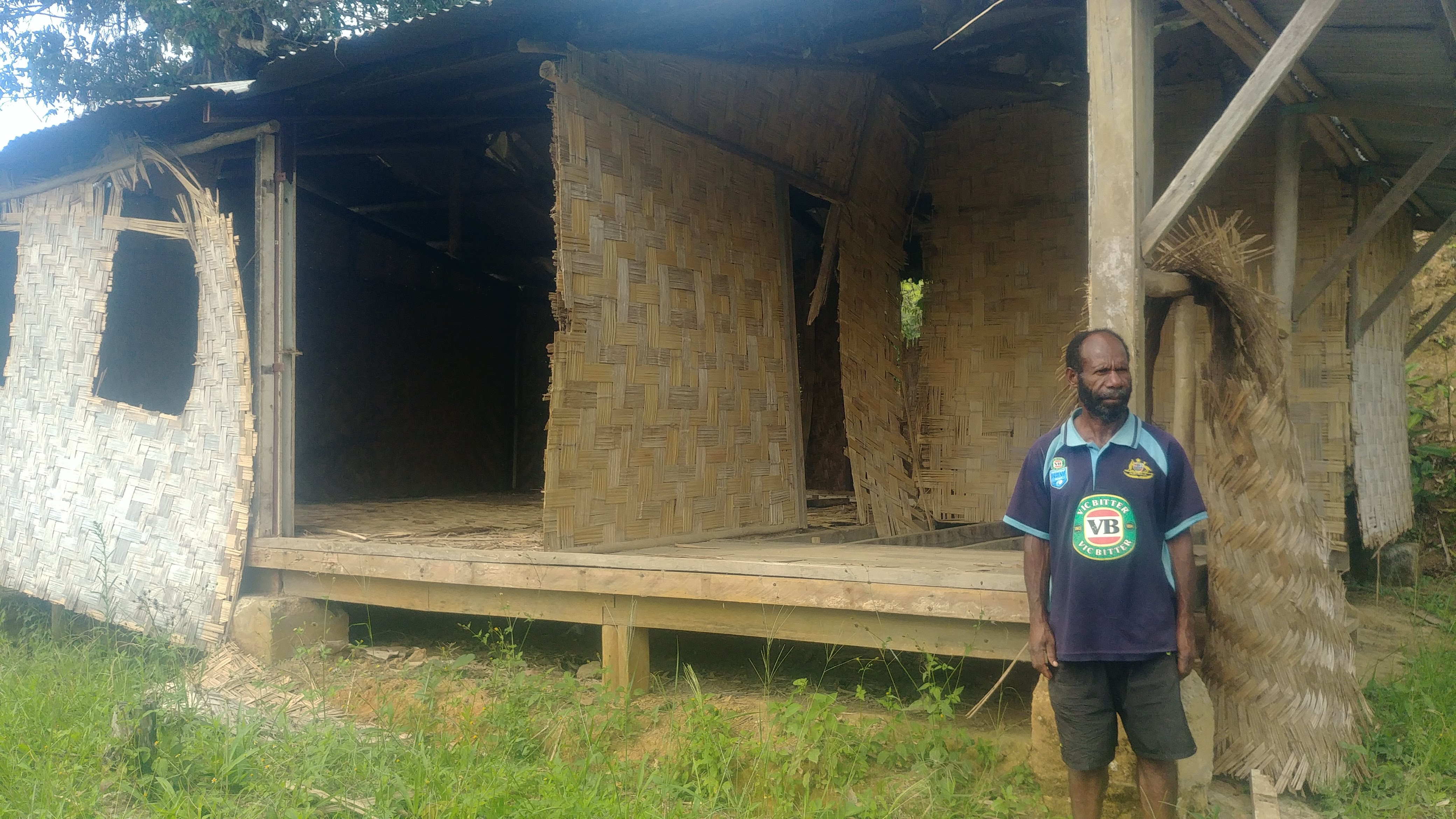
We did some more looking at the power unit and water supply today. Any work we did generally involved at least 5 and sometimes up to 20 people just sitting around and watching us. Very few people have jobs, so there wasn't much else for them to do I suppose. Koinambe is a small village with some first world aspects. About a third of the houses use modern materials (by NZ standards they are pretty much uninhabitable), some people have cell phones, and people are wearing modern (but very well used) clothes. Other than this, you would not be able to tell if this was 2019 AD or 2019 BC.
The upside to this is that there is delicious fruit everywhere, as they just live off the land. Laulau (similar to apples), pineapple, mango, different types of bananas, coconut and more. It really does take everything right back to the basic 3 - food, water and shelter. It is such a different environment, it's hard to explain. All the kids are the same as any other kids in a first world country, yet they have no idea just how different the rest of the world is.

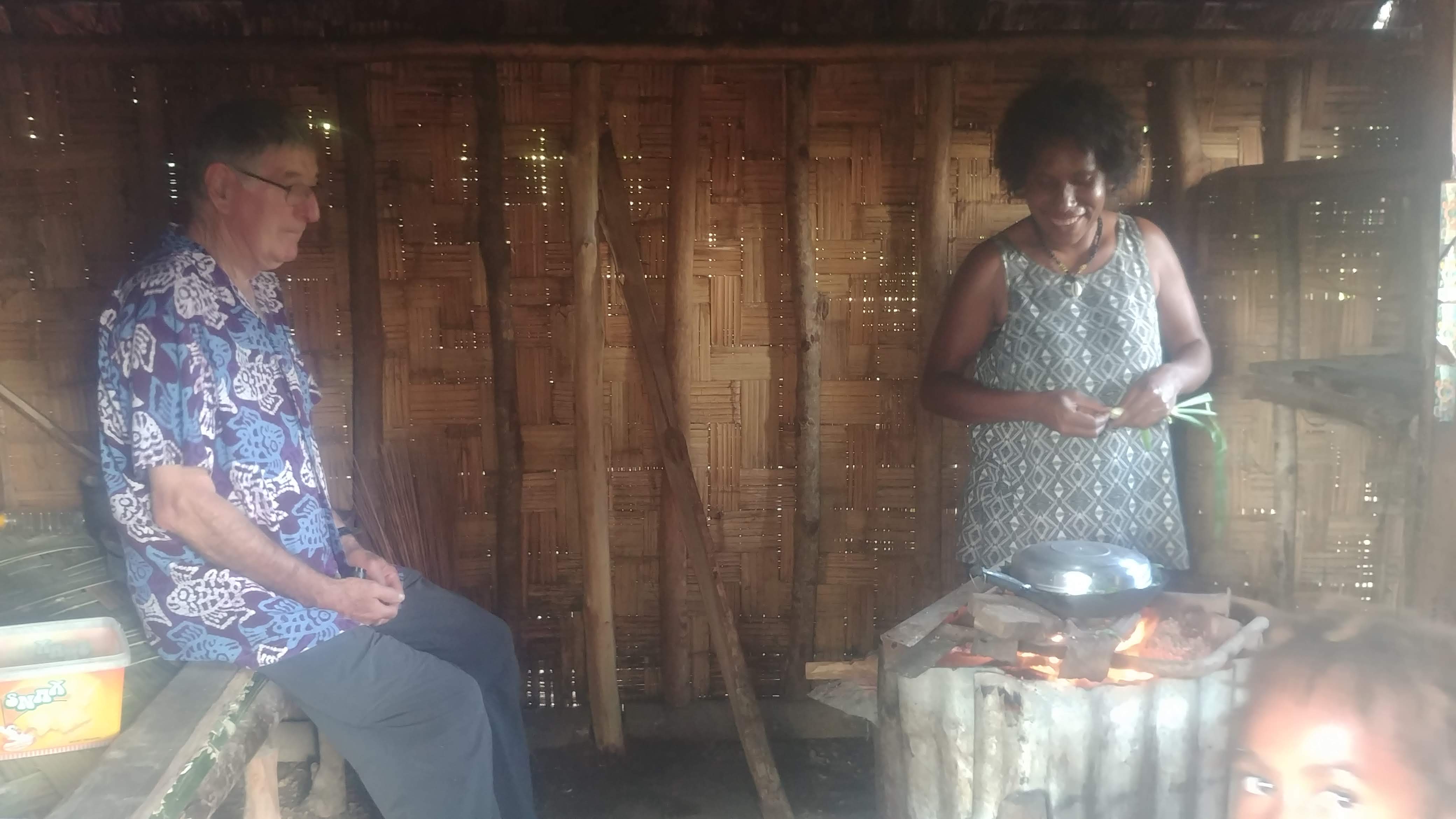
I took a frisbee to throw around with some of the local kids (Abol, Nick and others) and they loved it. You can have a very basic conversation with most people here, but it's quite broken English and they only understand basic words - usually they communicate in Tok Pisin or their own local language (neither of which are decipherable to me). We have a flush toilet and shower, everyone else has a long drop and a tap coming off the main water system. David arrived early afternoon today, and apparently Sister Angela is cooking us another meal tonight - should be good!
Day 6
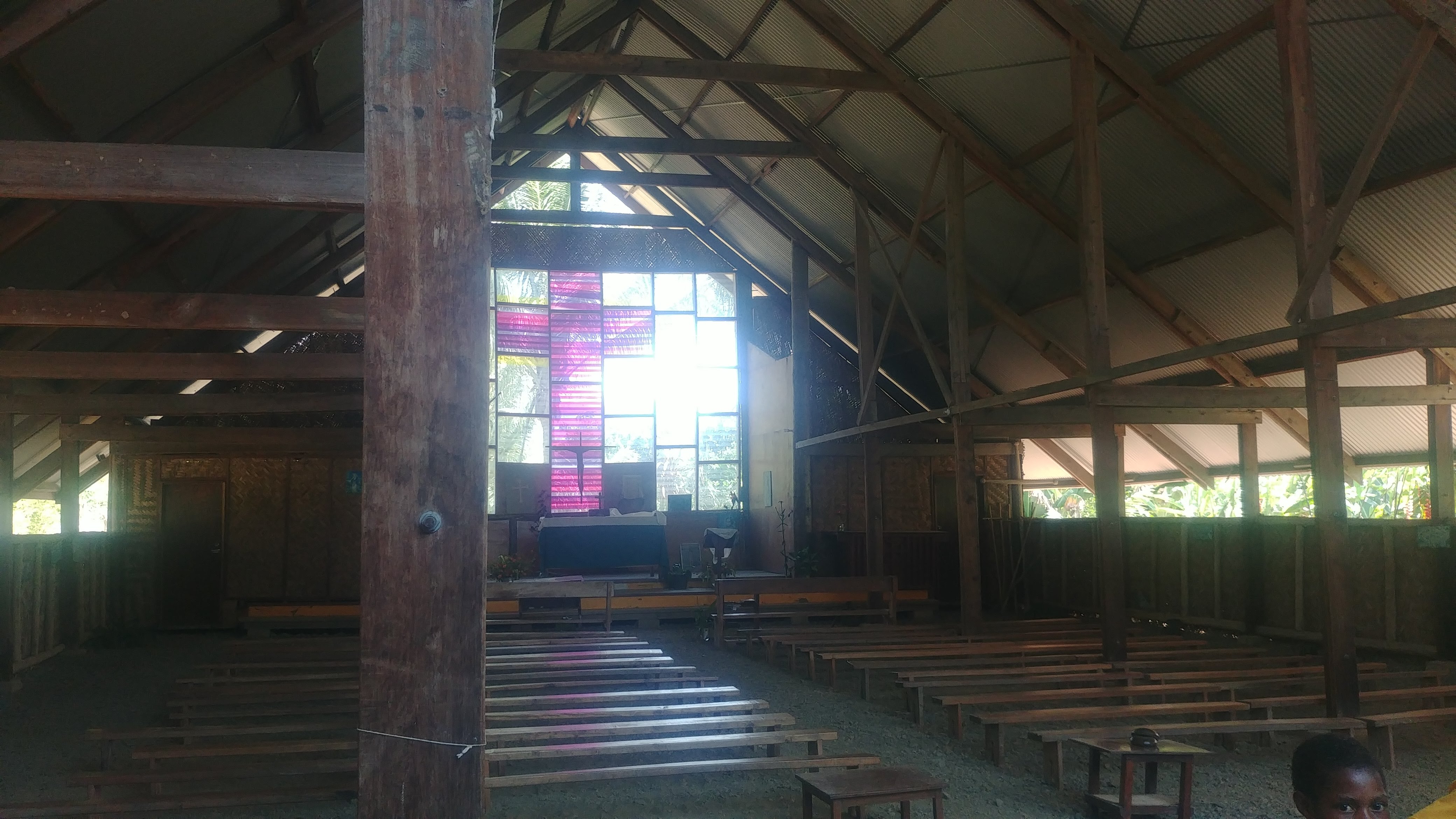
It was Sunday today, so we went to church - in the early colonisation days, the British did their thing and sent lots of missionaries to PNG - we even saw missionaries in the airport. This resulted in everyone there (and I mean everyone) subscribing to Christianity and going to church. Julia who apparently spent a lot of time with Rex's wife Johanna when she was in PNG came up to say hello and gifted each of us a bilum which was very nice of her (a bilum is like a PNG satchel bag - home made of course).

We went down to the local market (which was just a few people selling vegetables they had grown) and bought a few sweet potato. We then carried onto the next village by the name of Dumna. We saw some locals and a cockatoo before heading back home for lunch (had another mean feed of some fruit!). Abol and Nick are getting better with the frisbee, they seem to be playing it all day.
Day 7
Woke up, did some more work on the water system by the haus sik (hospital). We're getting a better understanding now of how the system works. There is a lot of redundant and modified pipework which makes it difficult to follow. We ended up just digging an area up to see what went where. I very rarely get homesick, but I'm starting to a bit now. It's not so much from not being home, but more like not seeing another person who speaks fluent English and being 3 flights away from what is normality to me - and even that's still Australia.
I say this not because it is particularly difficult to live here (although a lot of people from the first world these days would struggle), but more that it is quite isolating when there is no one around to relate to. Other than Rex, the people I most closely relate to are Abol and Nick, who are a couple of 15ish year old kids I play Frisbee with, and I haven't yet had a full conversation with them as they don't speak more than a few words of English. But other than that, things are going well, everyone's friendly, there's fruit everywhere, and the water project is for the most part keeping us occupied.
Day 8
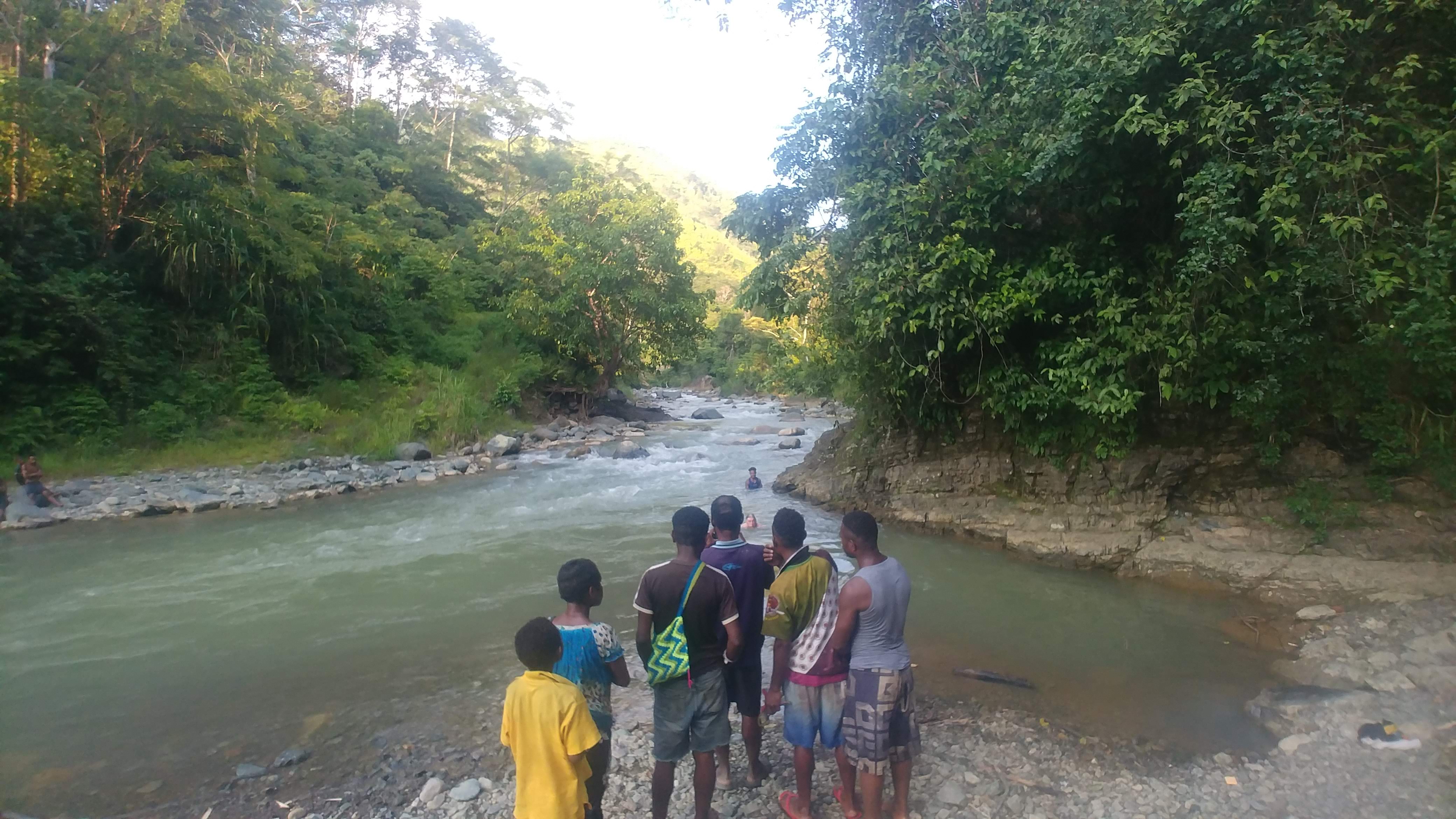
Fixed some pipework at the haus sik today - we essentially made it more intuitive so that it's easier for people to understand. We also connected up an unused tank so there can still be water if the spring dries. We went for another walk in the afternoon past Dumna and to the river pind. We went for a swim which was very refreshing before heading home. I got given a bilum from a small girl and another one from Nick. I gave Nick and Abol a Frisbee shirt each. Quick tangent - ever wondered where all the clothes you throw in the clothing bin go? Well, some of them get put in shipping containers and sent to poorer countries like PNG. I saw a lot of NZ rugby jerseys and other similar items that reminded me of home! I also knew this going in, so filled my bag with old clothes to give directly to the locals as clothes like that are quite valuable to them.
Day 9
I got given another bilum from sister Angela. David called up the airline (MAF) to check that the Thursday flight (tomorrow) was still on. Lucky he did because apparently it wasn't. They weren't going to pick us up till Friday apparently as the plane was in for repairs on Thursday. Our plan was to fly from Mt Hagen to Port Moresby on Thursday afternoon, then catch a 6 am flight to Brisbane on Friday morning. We got on the phone to them, explained the situation, and they agreed to come in and pick us up today.
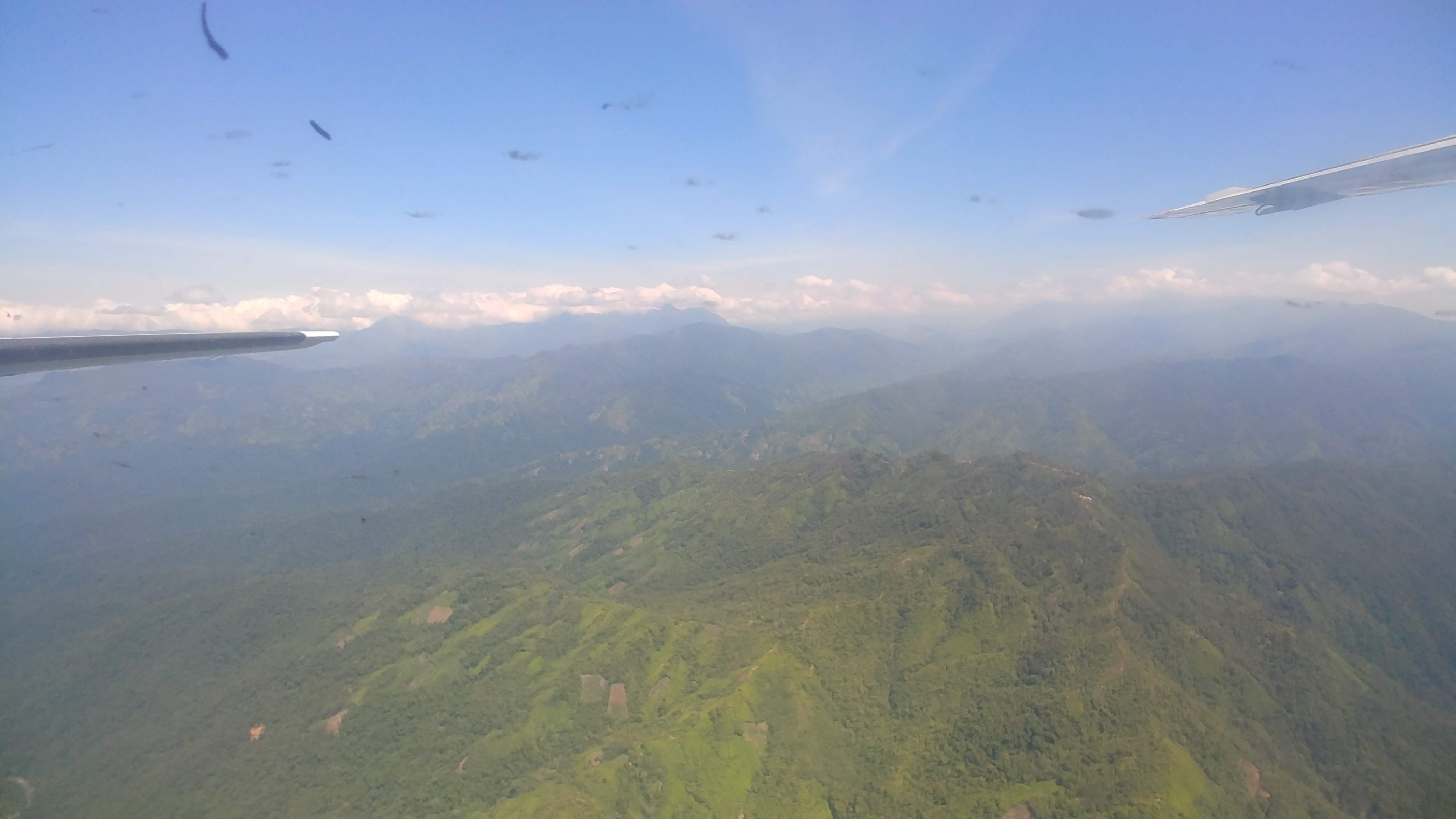
They flew in a couple of hours later, so we ended up going back to Mt Hagen a day early. This was fine by me, as the giant dinner plate sized spider that lived above our water tank was gone from its normal spot, so I'm not sure how well I would have slept if we stayed another night knowing it could have been wandering around the house! We took the electrics box back with us to send to Australia to get fixed. David and a couple of other locals hopped in the plane with us as they were keen to get a free plane ride into town.
Day 10
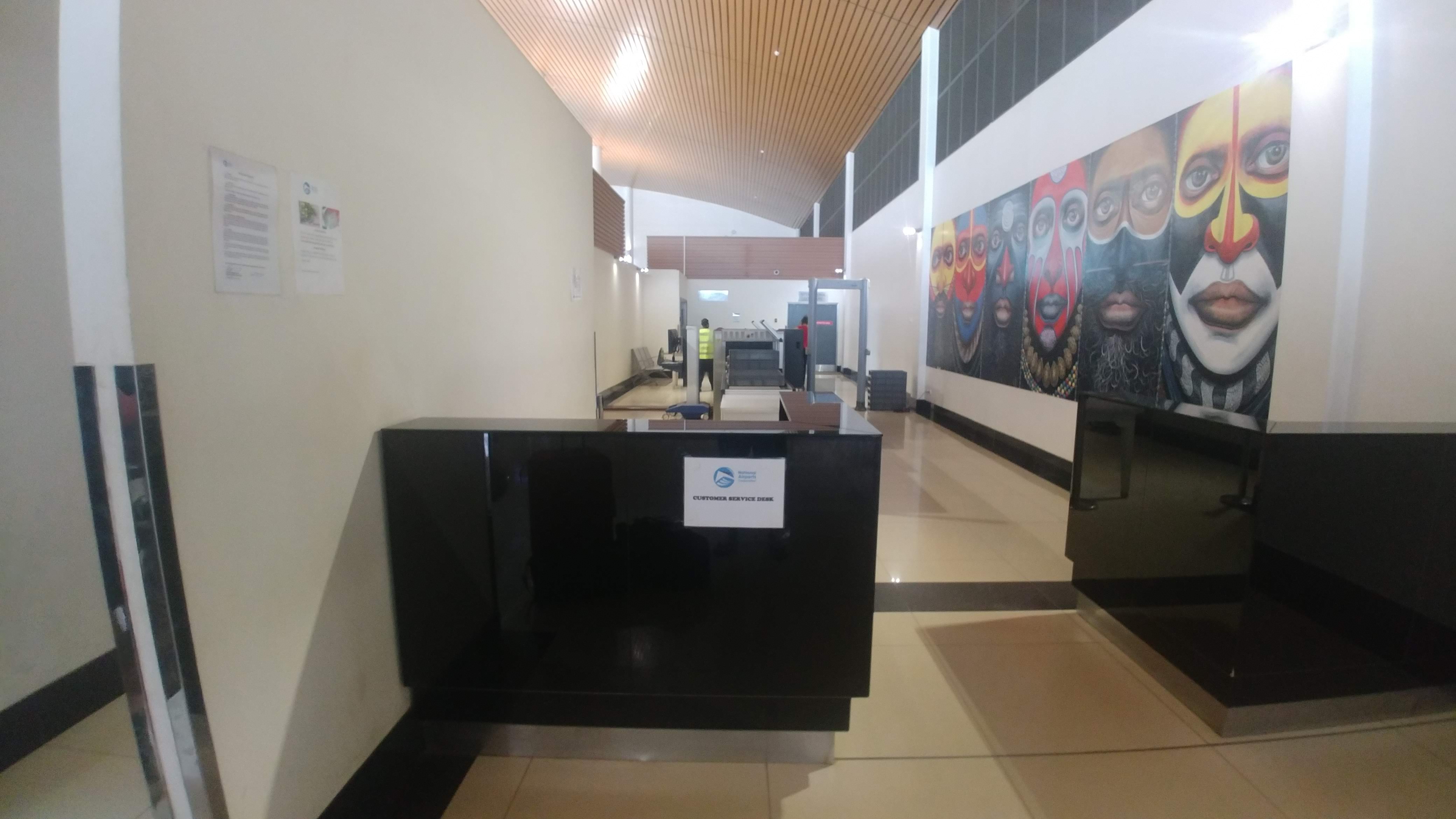
Woke up and had a complimentary breakfast - courtesy of the hotel manager. We went into town to get some plumbing parts for David for when he goes back to Koinambe - there were a few things to fix that we didn't have the parts for when we were there. We went back to the hotel and waited about. Then went to the airport and waited some more. When we went through security at the airport, they had an xray machine and a metal detector. We put our stuff in the boxes on the unmoving conveyer in front of the x-ray machine and walked through the completely unsupervised (and definitely switched off) metal detector. The airport staff then picked up our stuff and walked it around behind of the x-ray machine and gave it back to us. Hope no one brought a bomb with them. Also, the power in the entire airport goes out every now and again which is pretty crack up. We ended up missing our flight due to a combination of not understanding the announcements and them not putting our bags on the plane, so Air Niugini put us up in a very nice hotel for the night, and we're set to check in tomorrow morning for the first flight to Port Moresby.
Day 11
This airport moves very slow. We waited over an hour in a queue of about 20 people to get a boarding pass. Mum was waiting for boarding pass confirmation in NZ to book me an international flight in the afternoon as she had control over the travel insurance. When I finally got the "boarding pass", it was just a flight number hand-written on a post it note with no time on it. I asked around, and no one knew what time the flight was supposed to leave. Everyone just kept saying 'soon' or 'next flight'. Turns out they put us on the second flight, then at the last minute the bloke put us on the first flight. When we got to Port Moresby, our bags weren't there. Classic.
We filled out a form to get them sent to Auckland and went to the international terminal to check into my freshly booked Virgin Australia flight. Rex stayed behind as his flight was later and he wanted to see if he could get our bags checked in when they arrived, which he successfully managed to do! I flew 3 hours to Brisbane, had a quick stopover, then another 3 or so hours to Auckland.